Top eCommerce PPC Optimization Strategies in 2025 sets the stage for this enthralling narrative, offering readers a glimpse into a story that is rich in detail with a focus on the latest trends and strategies in PPC optimization for eCommerce.
From automation to personalization, this guide covers it all, ensuring you stay ahead of the game in the competitive digital landscape.
As we delve deeper into the strategies and tools that will shape the eCommerce PPC landscape in 2025, you'll uncover valuable insights on how to elevate your campaigns and drive results that truly matter.
Strategies for Optimizing eCommerce PPC in 2025
As we look ahead to 2025, optimizing eCommerce PPC strategies will be crucial for businesses to stay competitive and maximize their online presence. Keeping up with the latest trends and leveraging emerging technologies will play a significant role in shaping successful PPC campaigns for eCommerce.
Utilizing AI and Machine Learning for Targeting
AI and machine learning technologies will continue to revolutionize PPC advertising in 2025. By utilizing these advanced tools, eCommerce businesses can analyze vast amounts of data to optimize targeting, ad placements, and bidding strategies. This ensures that ads reach the right audience at the right time, ultimately improving ROI.
Implementing Dynamic Product Ads
Dynamic Product Ads (DPAs) will be a key strategy for eCommerce PPC optimization in 2025. These ads automatically promote relevant products to users who have previously shown interest in them, increasing the chances of conversions. By dynamically updating ad content based on user behavior, DPAs can enhance personalization and drive sales.
Optimizing for Voice Search
With the rise of voice search technology, optimizing PPC campaigns for voice queries will be essential in 2025. eCommerce businesses should focus on incorporating long-tail s and conversational phrases to align with how users interact with voice assistants like Siri and Alexa.
By adapting to this trend, businesses can capture voice search traffic and improve engagement.
Enhancing Mobile Optimization
Mobile optimization will remain a critical aspect of eCommerce PPC strategies in 2025. With the majority of online shopping now happening on mobile devices, businesses must ensure that their ads are responsive, load quickly, and provide a seamless user experience on smartphones and tablets.
By prioritizing mobile optimization, businesses can drive conversions and maintain a competitive edge in the market.
Automation and AI in eCommerce PPC
Automation and artificial intelligence (AI) play a crucial role in optimizing pay-per-click (PPC) campaigns for eCommerce businesses. By leveraging automation and AI tools, businesses can streamline their PPC processes, improve targeting accuracy, and enhance overall campaign performance.
Examples of AI Tools for Enhancing PPC Performance
- Google Ads Smart Bidding: This AI-powered tool uses machine learning algorithms to optimize bids for conversions, maximizing the performance of PPC campaigns.
- Adext AI: Adext uses AI to automatically adjust bids and target audience segments in real-time, improving campaign efficiency and ROI.
- Optmyzr: Optmyzr offers AI-driven tools for ad optimization, budget management, and performance analysis, helping businesses make data-driven decisions for their PPC campaigns.
Benefits of Incorporating Automation in eCommerce PPC Strategies
- Improved Efficiency: Automation reduces the manual workload involved in managing PPC campaigns, allowing businesses to focus on strategy and creative aspects.
- Enhanced Targeting: AI tools can analyze vast amounts of data to identify high-performing audience segments and refine targeting for better results.
- Real-time Optimization: Automation enables real-time adjustments to bids, ad copy, and targeting parameters, ensuring campaigns stay competitive and relevant.
- Cost Savings: By optimizing campaigns with AI, businesses can reduce wasted ad spend and maximize their return on investment in PPC advertising.
Personalization and Targeting in PPC
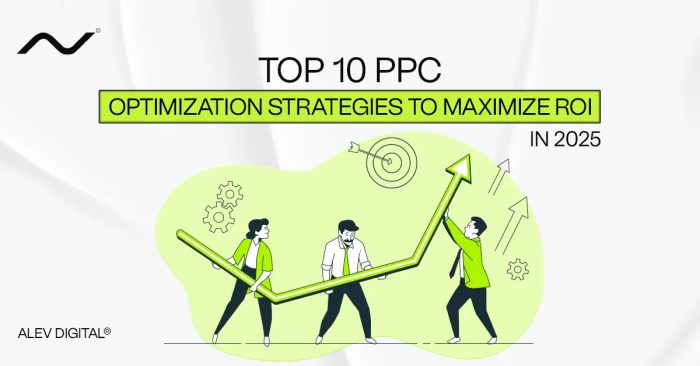
Personalized PPC campaigns play a crucial role in eCommerce as they help businesses tailor their advertising to specific audiences, increasing the likelihood of conversions. By targeting ads based on user behavior, preferences, and demographics, businesses can create a more engaging and relevant experience for potential customers.
Significance of Personalized PPC Campaigns
- Personalization helps businesses connect with their target audience on a deeper level, increasing engagement and brand loyalty.
- Customized ads are more likely to resonate with consumers, leading to higher click-through rates and conversion rates.
- By delivering relevant content to users, personalized PPC campaigns can improve overall ad performance and ROI.
Comparison of Targeting Methods in PPC Optimization
- Targeting:Targets ads based on specific s related to the product or service being promoted.
- Demographic Targeting:Focuses on reaching audiences based on age, gender, income, location, etc.
- Behavioral Targeting:Targets users based on their online behavior and interactions with the website or ads.
- Interest Targeting:Targets users with ads based on their interests and preferences.
Dynamic Remarketing for Improved Conversion Rates
Dynamic remarketing is a powerful tool in eCommerce PPC that allows businesses to show personalized ads to users who have previously visited their website or interacted with their products. By showcasing relevant products or services to users based on their browsing behavior, dynamic remarketing can significantly increase conversion rates by reminding users of items they showed interest in and encouraging them to complete a purchase.
Ad Creatives and Copywriting for eCommerce
Creating effective ad creatives and compelling copywriting is crucial for the success of eCommerce PPC campaigns. These elements play a significant role in capturing the attention of potential customers and driving them to take action, such as making a purchase or signing up for a newsletter.
Designing Effective Ad Creatives
- Use high-quality images or videos that showcase your products in the best light.
- Include clear and concise messaging that highlights the unique selling points of your products.
- Experiment with different ad formats, such as carousel ads or collection ads, to see what resonates best with your target audience.
- Ensure consistency in branding across all ad creatives to build brand recognition and trust.
The Importance of Compelling Copywriting
- Craft engaging ad copy that speaks directly to the needs and desires of your target audience.
- Use persuasive language that prompts action, such as "Shop Now" or "Limited Time Offer."
- Highlight any promotions, discounts, or special offers to entice users to click on your ad.
- A/B test different copy variations to see which ones perform best and iterate based on the results.
Optimizing Ad Creatives for Higher CTR and Conversions
- Ensure your ad creatives are relevant to the s and targeting options you have selected.
- Include a clear call-to-action that tells users what you want them to do next.
- Utilize dynamic insertion to personalize ad copy based on the user's search query.
- Continuously monitor and analyze the performance of your ad creatives to identify opportunities for improvement.
Budget Allocation and Bidding Strategies
Effective budget allocation and bidding strategies play a crucial role in the success of eCommerce PPC campaigns. By strategically distributing your budget and implementing the right bidding tactics, you can maximize your ROI and drive more conversions.
Different Bidding Strategies for eCommerce PPC
When it comes to bidding strategies for eCommerce PPC campaigns, there are several options to consider, each with its own advantages and use cases. Here are some common bidding strategies:
- Manual Bidding: This approach allows you to set bids manually for each or ad group. It gives you more control over your bids and allows for quick adjustments based on performance data.
- Automated Bidding: Automated bidding uses machine learning algorithms to adjust bids based on various factors such as time of day, device, and user behavior. It can help optimize bids for maximum performance.
- Enhanced Cost-Per-Click (ECPC): ECPC is a bidding strategy that automatically adjusts your manual bids to increase conversions. It optimizes bids based on the likelihood of conversion for each click.
It's essential to test different bidding strategies to determine which one works best for your eCommerce PPC campaigns.
Impact of Bidding on Ad Placement and Campaign Performance
The bidding strategy you choose can significantly impact where your ads appear on search engine results pages and how well your campaigns perform. Higher bids typically lead to better ad placement but can also increase costs. Here are some key points to consider:
- Bidding Higher: Higher bids can help secure top ad placements, increasing visibility and click-through rates. However, it may also lead to higher costs and lower ROI if not managed effectively.
- Bidding Lower: Lower bids may result in lower ad placements but can also help control costs. It's essential to find the right balance between bid amount and campaign performance.
- Quality Score: Quality Score plays a crucial role in ad placement and cost. By improving ad relevance, landing page experience, and expected click-through rate, you can achieve better ad positions at lower costs.
Last Word
As we wrap up our discussion on Top eCommerce PPC Optimization Strategies in 2025, remember that staying informed and adapting to the evolving digital landscape is key to success. By implementing these cutting-edge strategies, you'll be well-equipped to navigate the dynamic world of eCommerce PPC and achieve your business goals with confidence.
FAQ Compilation
How important is it to stay updated with the latest trends in PPC for eCommerce?
Staying updated with the latest trends in PPC for eCommerce is crucial as it allows businesses to adapt to changing consumer behaviors and technological advancements, ensuring their campaigns remain effective and competitive.
What role does personalization play in PPC campaigns for eCommerce?
Personalization is key in PPC campaigns for eCommerce as it helps businesses target their audience with relevant content, increasing engagement and conversion rates.
How can budget allocation impact the performance of eCommerce PPC campaigns?
Effective budget allocation is essential for maximizing the impact of eCommerce PPC campaigns, ensuring resources are allocated to high-performing strategies and channels to drive optimal results.